Blog
Over a 10-year window, polyaspartic costs less than epoxy for a typical Fort Wayne garage, even though it costs more to install. The reason is simple: epoxy’s 5-10 year lifespan usually means a full recoat sometime within that 10-year window, while polyaspartic’s 15-20 year lifespan means zero recoats. Once you add the recoat cost back in, the cheaper-looking epoxy floor stops being cheaper. Below is the actual 10-year math, broken down by garage size, using Duration’s own published pricing and lifespan figures, not a generic national average.
Why Sticker Price Alone Is the Wrong Comparison
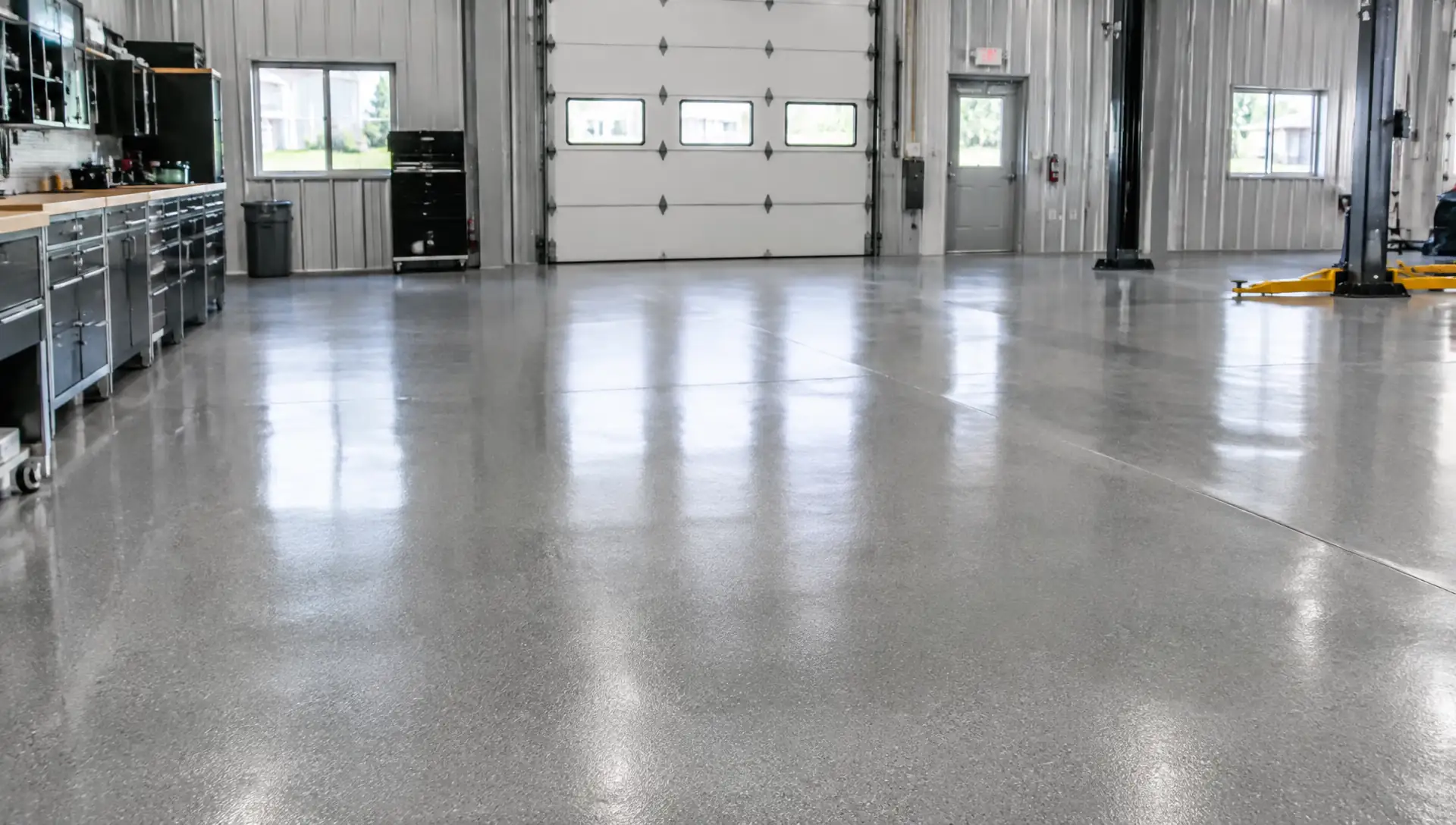
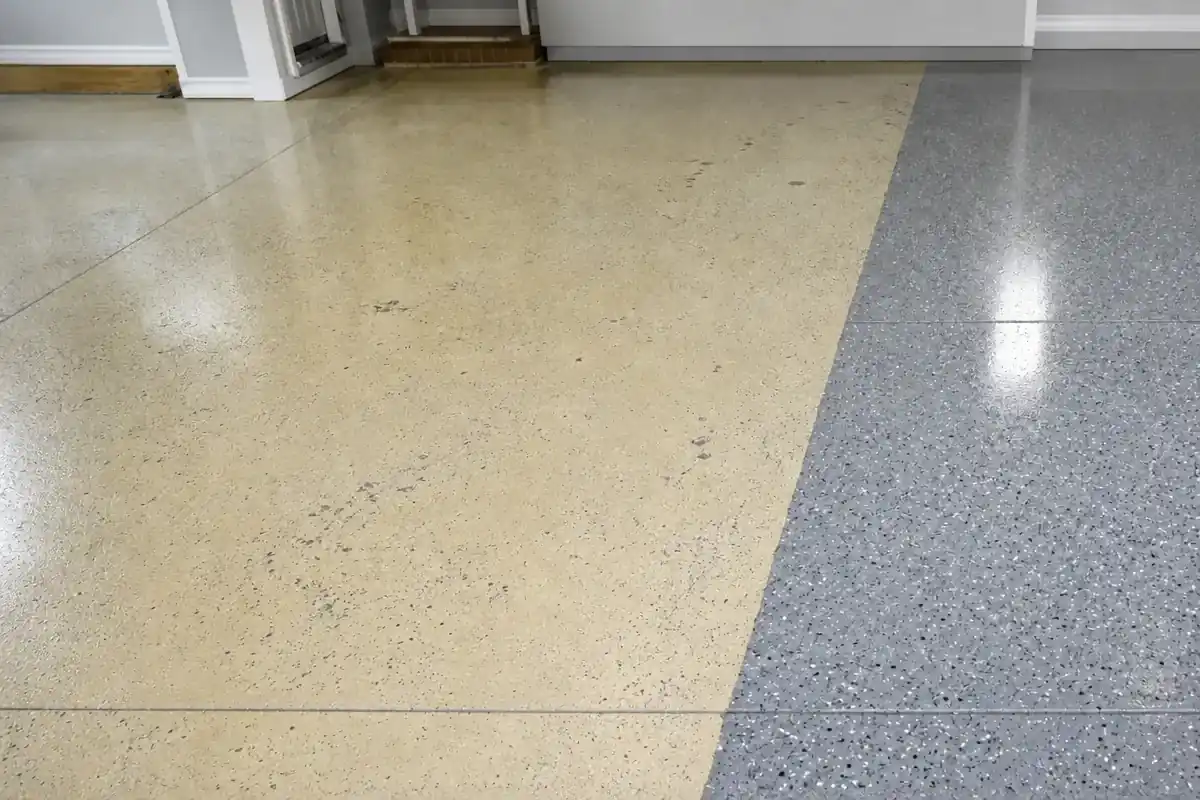
Epoxy is usually priced below polyaspartic per square foot installed; our own Duralast® polyaspartic is priced at $5 to $8 per square foot in Fort Wayne. Compared side by side on install day, epoxy looks like the better deal. But that comparison stops at day one, and a garage floor is a 10-to-20-year purchase, not a one-time expense. The number that actually matters is total cost over the time you’ll own the floor, including the maintenance and, in epoxy’s case, the recoat that its shorter lifespan usually requires.
The 10-Year Total Cost, by Garage Size
The polyaspartic column below is Duration’s confirmed install price ($5 to $8 per square foot) times each garage size. Epoxy’s ten-year cost combines its install, routine maintenance, and one mid-life recoat, since standard epoxy typically needs replacement within a 10-year span while polyaspartic does not.
| Garage Size | Epoxy over 10 years* | Duralast® polyaspartic install (Duration) |
|---|---|---|
| 1-Car (~240 sq ft) | Install + one recoat + upkeep | $1,200 - $1,920 |
| 2-Car (~480 sq ft) | Install + one recoat + upkeep | $2,400 - $3,840 |
| 3-Car (~720 sq ft) | Install + one recoat + upkeep | $3,600 - $5,760 |
*Epoxy assumes one recoat within the 10-year window, priced like the original installation, a conservative assumption given epoxy’s published 5-10 year lifespan.
How the Numbers Break Down
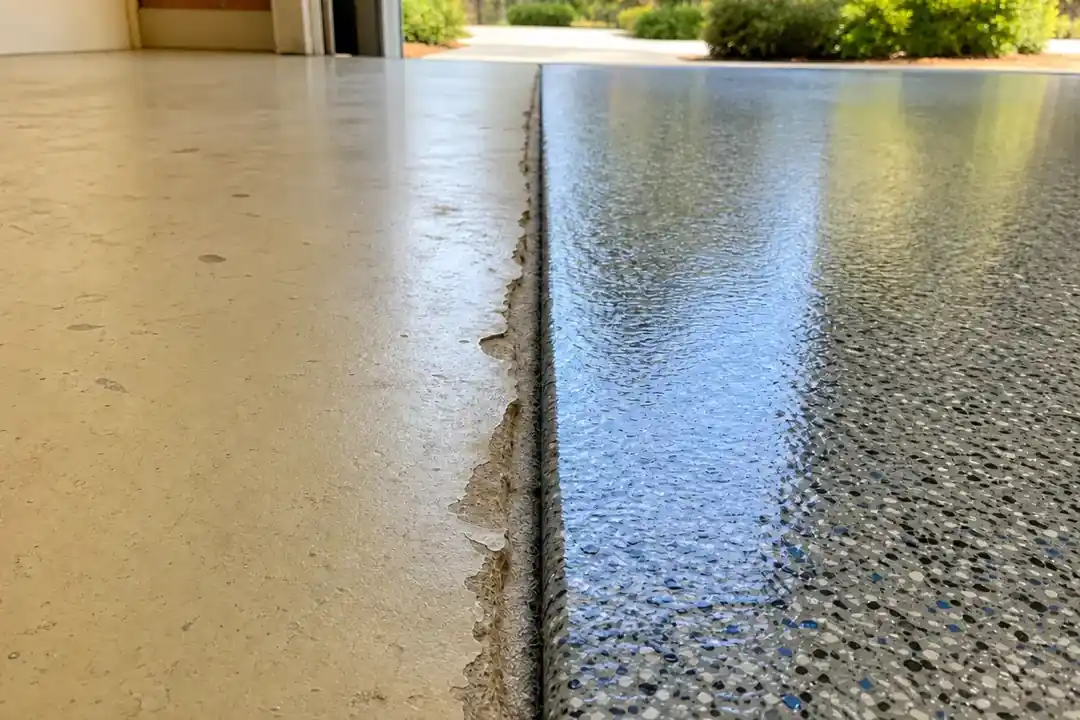
For a standard 2-car garage (480 sq ft), epoxy starts cheaper, but add 10 years of routine maintenance and a single recoat at the original install price and its ten-year total overtakes the up-front saving. A Duralast® polyaspartic garage floor coating for the same 480 sq ft garage runs $2,400-$3,840 at $5-$8 per sq ft, with lighter maintenance and no recoat. The gap only widens for larger garages, since a bigger floor means a bigger recoat bill for epoxy.
What’s Actually Driving the Cost Difference
- Lifespan: Epoxy typically lasts 5-10 years; Duralast® polyaspartic is built for 15-20+ years, backed by a lifetime residential warranty.
- Recoat risk: A 10-year ownership window falls inside epoxy’s typical failure range but well inside polyaspartic’s, this is the single biggest swing factor in the total.
- Maintenance: Epoxy is more prone to chipping and yellowing, which tends to mean more frequent touch-ups and cleaning products.
- Indiana winters: Freeze-thaw cycling and road salt accelerate epoxy failure specifically, a Fort Wayne garage sees harder use than the national averages most cost guides are built on.
When Epoxy Might Still Make Sense
If you’re planning to sell within a few years, or the space sees very light use, a rarely-used storage garage, for example, epoxy’s lower upfront cost can be the more sensible short-term choice. The 10-year comparison above assumes you’ll own and use the space for the full decade, which is the more common scenario for a primary residence garage.
Concrete Coating Services by Location
- Fort Wayne IN Concrete Coating Contractors
- Woodburn IN Concrete Coating Contractors
- New Haven IN Concrete Coating Contractors
- Huntertown IN Concrete Coating Contractors
What's Included in the Maintenance Cost Estimates?
The maintenance figures reflect routine cleaning products and occasional touch-up work over a 10-year span, though actual costs vary based on garage use.